Aim For The Truth: Everything Else Is Debt (Technical, Intellectual, Moral And Time)
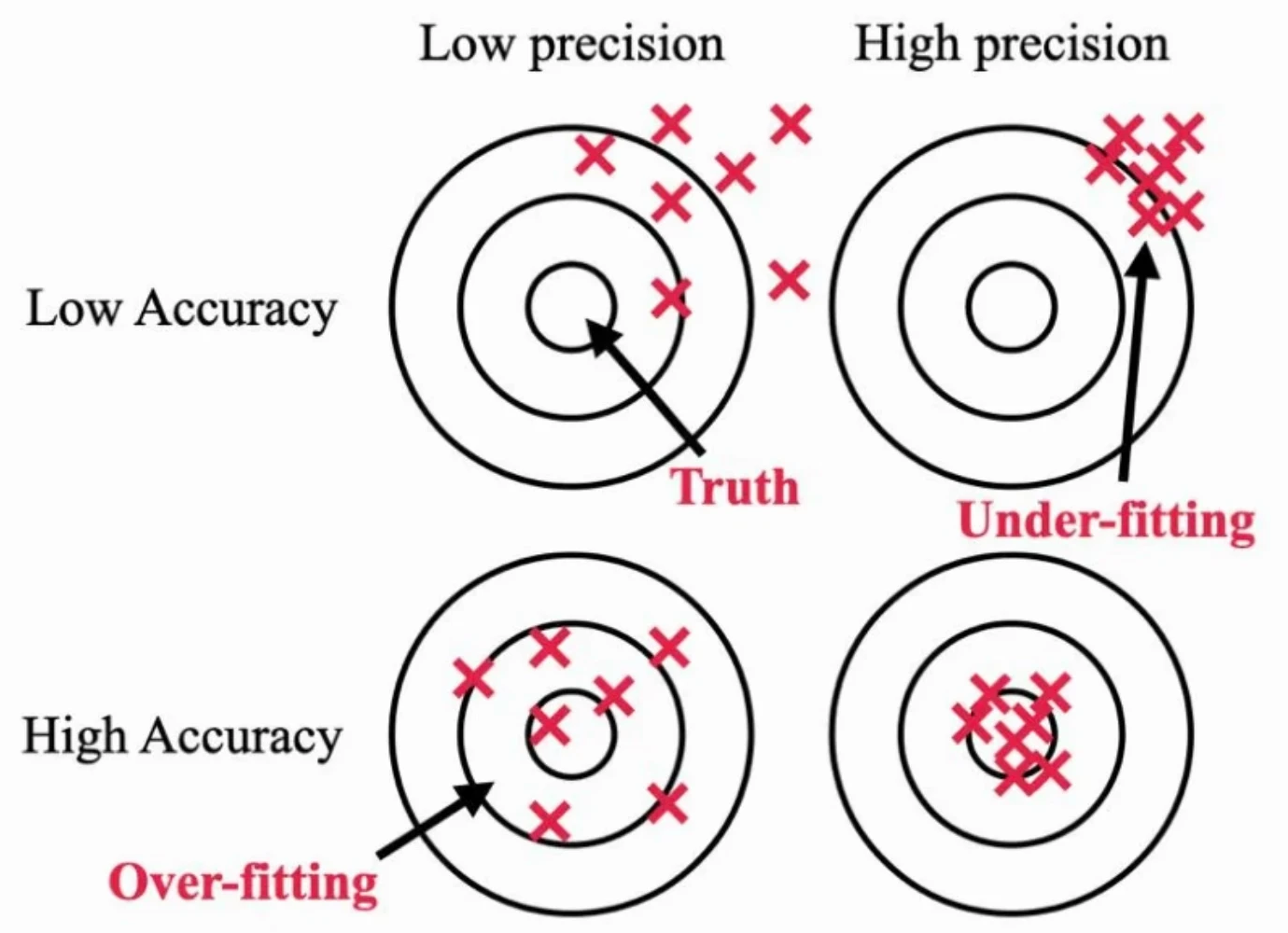
The image of the classic dartboard illustration of accuracy versus precision is a good reminder (worth printing out if needed) that precision is how closely our attempts cluster and accuracy is how close they come to the truth (assuming you care about the truth, are supposed to or are in a system that demands and rewards it and doesn’t reward incorrectness). A concentrated grouping around the wrong answer can be more dangerous than scattered attempts around the right one because consistency can reinforce systematic errors (i.e. structural flaws, embedded biases, recurring inaccuracies and persistent misconceptions) rather than correct them, especially if a system is not designed for outside or internal error correction.
When we mistake consistency for correctness, we accumulate technical debt in code, intellectual debt in thinking, moral debt in life and time debt in the hours we’ll spend undoing or redoing it, each compounding as we build upon flawed assumptions. I found a quote recently that embodies this concisely by W. Edwards Deming, “A bad system will beat a good person every time.”
John Gall's work on systems thinking (which I was reading as a Data Scientist in Bethesda, MD, where I had to design a data processing system) takes this further, emphasizing that functional complexity must evolve from simpler systems that actually work (that is a lot to take in), reminding us that good and reputable system design begins with questioning our assumptions, building on sound foundations and aiming for the truth before optimizing for precision.
In short, optimizing for precision risks making us increasingly consistent at being wrong, like following the gradient down into a local minimum and mistaking it for the global one. However, with all that said, small, calculated (prior experience-based) debts, the occasional “Darts of Pleasure” if you will, can create opportunities for experimentation, exploration, learning and long-term gains.
Not all debt is reckless, but much of it can be. In fact, much of it is avoidable.
Disclosure: AI was used only to make sentences more concise. Original writing is mine.